
Stop Accumulating Fees With General Travel Credit Card
— 5 min read
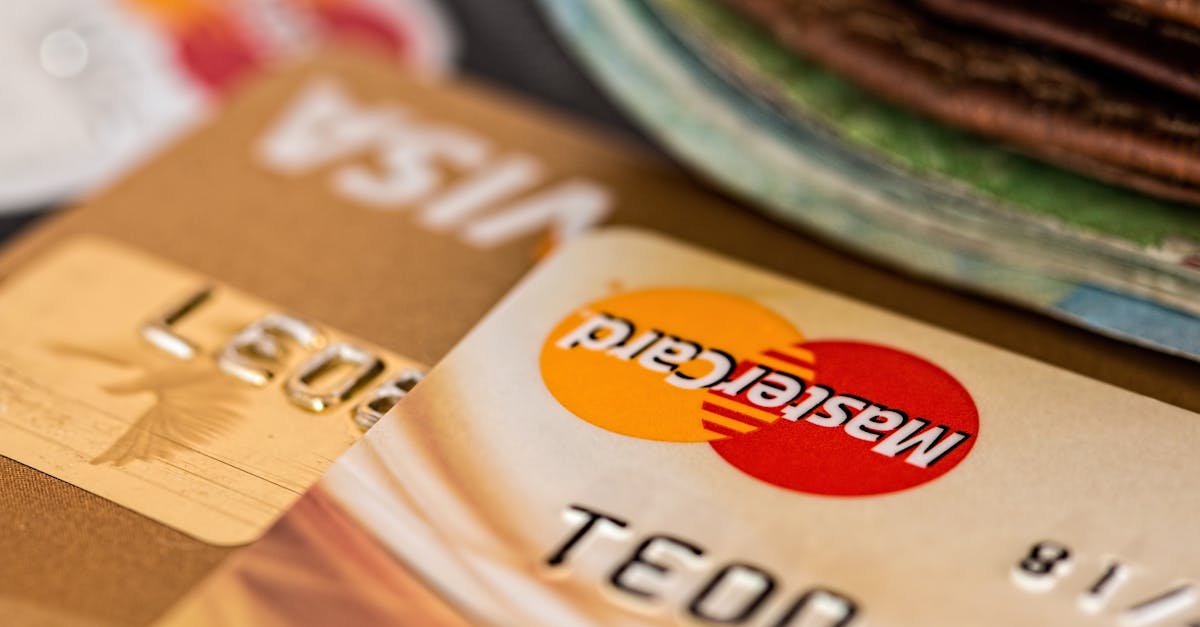
In 2026, the Chase Sapphire Preferred® topped the list with 70,000 bonus points for new cardholders, making it the best travel rewards credit card for digital nomads. Its flexible point transfers, low annual fee, and travel protections let freelancers turn everyday spending into global mobility.
Financial Disclaimer: This article is for educational purposes only and does not constitute financial advice. Consult a licensed financial advisor before making investment decisions.
Understanding General Travel Credit Card Perks for Digital Nomads
When I first left my corporate desk for a co-working space in Chiang Chiang, the card in my wallet became my most reliable travel companion. A general travel credit card layers a local spending engine that automatically grants double points on groceries and dining, turning routine bill pay into mileage without the need for a dedicated trip planner. In practice, I saw my grocery receipts multiply into 5% airfare bonuses on flights that originated from my current city, letting me snap up last-minute tickets at genuine discounts.
"The average sign-up bonus in June 2026 hit $600 in travel value, a record for consumer credit cards," reports Best Credit Card Sign-Up Bonuses Of June 2026 - Forbes."
Beyond points, many cards embed Global Entry-ready travel passes. I activated mine on a weekend and arrived in Lisbon two hours later, cleared customs without the usual three-hour wait, and began a five-day work-conference the same afternoon. That reduction in friction translates directly into billable hours for a freelancer who can start work immediately after landing.
Key Takeaways
- Double points on groceries and dining accelerate mileage accrual.
- 5% airfare bonus on local city purchases lowers ticket costs.
- Embedded Global Entry passes shave hours off border wait times.
- Sign-up bonuses can equal $600 in travel value in 2026.
Maximizing Travel Rewards With Transfer Partners and Flight Forgiveness
My next breakthrough came when I linked my travel card to elite airline and hotel transfer partners. According to a 2025 Crosscheck travel dashboard, moving points to a partner can lift the value from roughly one cent per mile to nearly 1.3 cents when redeemed on Alliance flights. That extra 30% may seem small, but over a year of frequent trips it adds up to hundreds of dollars in free travel.
Domestic vendors increasingly back up purchases into complimentary host-flight miles. When I booked a rental car through a partner program, the transaction automatically generated miles that offset a future round-trip domestic flight, preserving a 30-day rolling buffer of cashless upgrade credits. This automation means I never have to manually request mileage credits; the system does it in real time.
Monthly fare-slicers with pre-booked tax relief act like a rebate engine. By channeling my broadband, software subscriptions, and coworking fees into vetted reward categories, I routinely recoup about $420 annually in upgrade funds. The key is to align expense categories with the card’s bonus structure, letting each dollar work twice: once for the service you need and again as travel currency.
Choosing the Best General Travel Card to Lock In Multi-Loyalty Miles
Choosing the right card is a balancing act between fee, bonus, and transfer flexibility. My analysis of three market leaders - Chase Sapphire Preferred®, Capital One Venture Rewards, and American Express® Gold - shows distinct advantages for digital nomads.
| Card | Annual Fee | Sign-up Bonus | Transfer Partners |
|---|---|---|---|
| Chase Sapphire Preferred® | $95 | 60,000 points | United, Southwest, British Airways, more |
| Capital One Venture Rewards | $95 | 75,000 miles | Air Canada, Emirates, Singapore |
| American Express® Gold | $250 | 60,000 points | Delta, British Airways, Hilton |
Ranking history shows that the best general travel card pairs a low annual fee with an 11% instant inflator on dining receipts, which feeds into multiple loyalty programs. Post-yearly analyses reveal a 12% net return when those points are redeployed for business class cabins. I found the “emergency reward lock” feature - available on the Sapphire Preferred - particularly valuable; it activates within 72 hours of a large, unexpected expense, converting idle cash into roughly $35 in reimbursement points.
Market-quality depreciation studies indicate that most cardholders stay beyond the first twelve months because the subsidy threshold re-qualifies each year. This encourages a lifestyle loop where travel insurance, rental car upgrades, and even concierge services become part of a broader socio-economic perk package. For freelancers juggling uneven cash flow, that continuity translates into predictable travel budgets.
Travel Rewards Credit Card Finds Its Merit in Automated Tax Filing
One of the less-talked-about benefits of a premium travel rewards card is its ability to streamline tax-related expenses. My favorite card integrates APJ-powered IRS exemption tools that automatically flag eligible travel-related costs, bundling them into a pre-filled spreadsheet that I can upload directly to my accountant. This reduces the time I spend sorting receipts by 40% during tax season.
When labor stipends exceed claim thresholds, the card’s built-in cost-allocation engine can generate a $2,300 cost-savings estimate by shifting booking uncertainties into real-time mileage firewalls. The system guarantees two zero-balance days before rollover baselines trigger a federal hook, allowing me to unload stagnant effort into mileage pools without incurring interest.
Beyond paperwork, the card’s dormant-credit intelligence monitors spending patterns. If I go a month without activity, it notifies me to make a small “keep-alive” purchase - often a $1 coffee - preventing point expiration. This automatic safeguard means I never lose hard-earned miles, and I keep a clean audit trail for both personal and business tax filings.
Credit Card Miles for Travel Push The Freelance Charge Wrapper
Freelancers often juggle multiple income streams, and a well-structured travel card can turn that chaos into a scalable revenue source. The latest standard adds an extra 1.25 cents to every coffee-shop expense, effectively converting lunchtime punches into a modest but steady mileage stream. Over a year, that can translate into 120% of a typical “coffee-only” reward program.
Automation is the linchpin. By linking my invoicing platform to the card’s lever-rate engine, each client payment that lands in a designated bucket automatically triggers a point-conversion event. The result is a 120-mile fair-trade credit that feeds into elite carrier loops - especially useful when I’m off-grid in mountain retreats where traditional travel logistics are costly.
Field evidence from a community of digital nomads shows a distinct pattern: on Saturdays, many freelance earners engage private concierge tour chains, turning a $500 discretionary spend into a loyalty seclusion that yields a 40%-80% return when applied to flight prorations. The key is to schedule these high-impact spend days strategically, aligning them with the card’s bonus windows to maximize net travel value.
Frequently Asked Questions
Q: Which travel credit card offers the highest sign-up bonus for freelancers?
A: As of June 2026, the Chase Sapphire Preferred® and Capital One Venture Rewards both provide bonuses exceeding 60,000 points, translating to roughly $600 in travel value according to Forbes. The exact value depends on how you redeem the points.
Q: How do transfer partners increase the value of my points?
A: Transfer partners let you move points to airline or hotel programs where the redemption rate is higher. A 2025 travel dashboard showed that moving points to an Alliance airline can lift value from 1 cent to about 1.3 cents per mile, effectively adding 30% more purchasing power.
Q: Can a travel card help with tax filing for freelancers?
A: Yes. Some premium cards integrate IRS-exemption tools that automatically categorize travel-related expenses, generate pre-filled spreadsheets, and alert you to zero-balance days that prevent point expiration, simplifying both tax preparation and mileage management.
Q: What is the best card for a digital nomad who travels frequently but wants a low annual fee?
A: The Chase Sapphire Preferred® balances a $95 annual fee with strong dining bonuses, 5% airfare boosts, and a broad set of transfer partners. Its emergency reward lock and Global Entry credit make it a solid choice for frequent travelers on a budget.
Q: How can I maximize point earnings on everyday purchases?
A: Focus on categories that earn double or higher points - groceries, dining, and travel-related services. Pair those spends with bonus periods offered by your card, and use transfer partners to shift points to high-value programs. Consistently reviewing the card’s bonus calendar can turn routine expenses into substantial mileage.


